
On Writing: 13 Great Books for Writers
13 Terrific Books for Writing Inspiration and Craft Advice

Every writer needs a shelf of books you can go to for inspiration. This shelf should include the novels, story collections, memoirs, and essay collections that you think about often, the books in any genre that inspire you to be a better writer. But it also helps to have books on writing—writers sharing their experience and advice on craft and the writing life.
In this post, you’ll find books on writing that I recommend to students in my fiction and memoir courses. They range from the practical (Patricia Highsmith, Chuck Palahniuk, and Stephen King’s classic A Memoir of the Craft) to to the inspiring (Julian Green and Column McCann) to the wildly imaginative (Jeff Vandermeer). I have every one on my shelf. At some point I have read each one of these books all the way through, at least once. I return to them often for reference, both in my teaching and for personal inspiration as I draft my novels.
Great Books for Writers on Plot and Structure
Plotting and Writing Suspense Fiction, by Patricia Highsmith
You don’t have to be a writer of crime fiction or thrillers to learn a great deal from this slim, to-the-point guide on creating suspense in fiction. Highsmith’s advice on everything from plotting to getting past “snags” is invaluable to novelists in any genre. As a writer of literary fiction, I found that it provided me with a much-needed kick in the pants.
Meander, Spiral, Explode, by Jane Allison
A deep dive into various literary structures. This is a book for writers looking for an alternative to traditional narrative. If your writing feels experimental and you’re looking for a shape for your unconventional story, you need this book.
Memoirs About the Writing Life
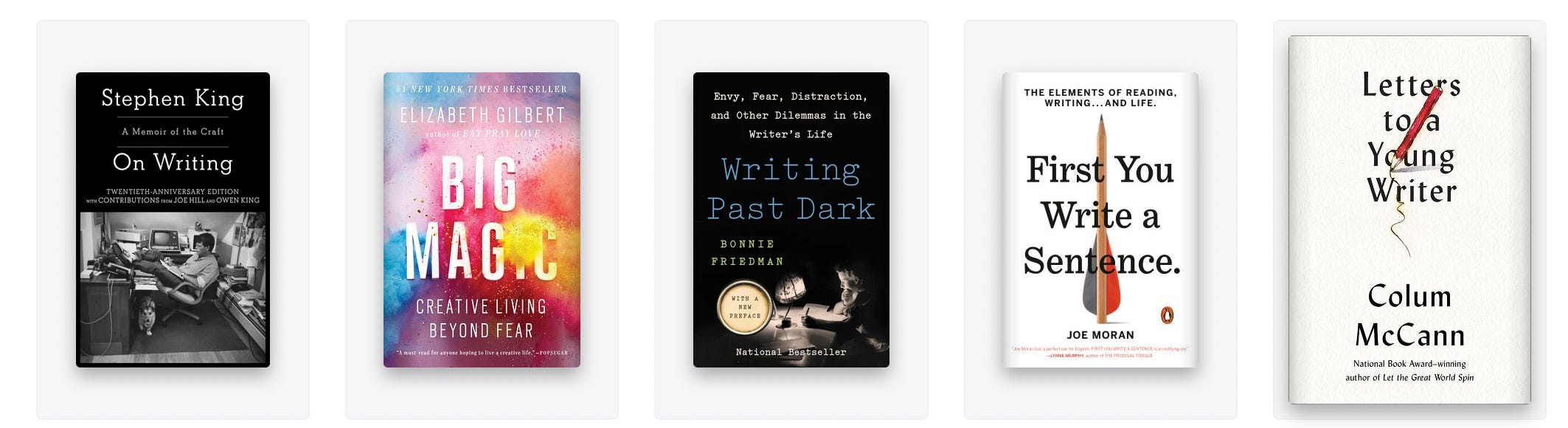
On Writing: A Memoir of the Craft, by Stephen King
By the time I got around to reading this modern classic by one of the most prolific writers of our time more than fifteen years ago, I'd already published three novels. I wish I'd found it sooner! While King's smart, down-to-earth memoir/writing lesson is a must-read for beginning novelists, fiction writers at any stage of their careers will find much to admire and be inspired by.
King’s concise clear-headed, practical guide to writing fiction invites aspiring writers into the author’s practice, as well as the struggles he faced in the early years of his writing career.On Writing is an excellent crash course in how to write fiction that people want to read. Including practical tips on writing dialogue, choosing the right word, sustaining a writing career, and keeping reader turning pages, this book is an essential for anyone who wants to start writing, or keep at it.
Still Writing by Dani Shapiro
an inspiring memoir of the writer’s life, from the author of Signal Fires, Inheritance, and Devotion
Excellent Books on the Craft of Writing
First You Write a Sentence, by Joe Moran
This isn't just a book about what makes a wonderful sentence (although it is that). It's also a book about how sentences lead us into our writing, how sentences guide us to discovery and help an idea become a story. This book is an inspiration for those of us who geek out on language and a primer for anyone who wants to know how a great sentence is made, and why it matters.
Steering the Craft: a Twenty-First Century Guide to Sailing the Sea of Story, by Ursula K. Le Guin
The master of literary science fiction and deeply unsettling classic stories like “The Ones Who Walk Away from Omelas” delves into fiction on the sentence level. Le Guin writes about the sound of the sentence, the intersection of voice and point of view, and the art of “crowding and leaping.” Each of the ten chapters includes a craft exercise.
Tactically speaking, I’d say go ahead and crowd in the first draft—tell it all, blab, babble, put everything in. Then in revising consider what merely pads or repeats or slows or impedes your story, and cut it. Decide what counts, what tells, and cut and recombine till what’s left is what counts. Leap boldly.
Consider This: Moments in My Writing Life After Which Everything Was Different, by Chuck Palahniuk
Palahniuk offers old advice in an entirely new way. The book is worth reading for the long chapter on Textures alone, featuring numerous ways to add texture to your writing. If you're looking for ways to improve your writing style, this book is an accessible, entertaining, and practical must-read.
Inspiring Books on the Writing Process and Persistence
Wonderbook: The Illustrated Guide to Creating Imaginative Fiction, by Jeff Vandermeer
This book by the New York Times bestselling author of the Southern Reach Trilogy and a whole bunch of other novels is a feast for the eyes. In additional to being a physically beautiful book, it's packed with information on world-building, narrative forms and structures, plot devices, and more. It also includes writing exercises. While this doorstop is geared toward science fiction and fantasy writers, it's so beautiful and joyful, I think every writer should have a copy. Just be sure it's a hard copy! This is a big, colorful book. Kindle would not do it justice!
Mastering the Process: From Idea to Novel, by Elizabeth George
After having huge success as a novelist, George takes you inside the process of how she wrote a particular novel, from the first inspiration (which for her is setting), all the way to the first editorial letter from her editor (who was also my editor at Random House for two books), on through revision. George's approach is very location-specific and includes a careful building of character before she begins writing the book. An insightful behind-the-curtains look at how one very successful writer crafts a novel. Each chapter includes a suggested writing exercise.
Writing Past Dark: Envy, Fear, Distraction, and Other Dilemmas in The Writer's Life, by Bonnie Friedman
According to Friedman, "Successful writers are not the ones who write the best sentences, they are the ones who keep writing." While the other books on this list focus on narrative craft, Writing Past Dark is the book you'll turn to when you feel gobsmacked by your novel, and you're not sure how (or why) to continue.
The Apprentice Writer: Essays, by Julian Green
A refreshing, wide-ranging collection of essays by a French-American writer. While the essays cover various subjects such as translation and Paris neighborhoods, the book is worth reading for the essays "How a Novelist Begins," "Where do Novels Come From?", and "Lectures on Writing." This one isn't that easy to find, although there are occasional a few used copies on Amazon. If you do find it, buy it!
Letters to a Young Writer, by Colum McCann
This wide-ranging book by Pulitzer Prize winning author and long-time teacher McCann is one of the most inspiring books I've ever read on writing. McCann talks about how to focus on the work instead of the ego, how to get past envy, how to work with an agent, and why exhaustion is an essential part of the writing process. If you're in a slump, this brilliant little book will pull you out of it.
A Practical Workbook for Novelists
Novel Starter: 50 Days of Exercises and Advice to Get Your Novel off the Ground, by Fiction Attic Press
A nuts-and-bolts workbook designed to inspire you and quickly get you into writing your novel, and, full disclaimer, I have some skin in the game. I created the workbook based on more than a decade teaching in MFA programs in creative writing. I selected the exercises that had staying power in my classes. It’s a crash course in narrative craft, designed to help you start writing and stay motivated for 50 days.
More resources for aspiring writers
If you enjoyed this post, you might also enjoy reading
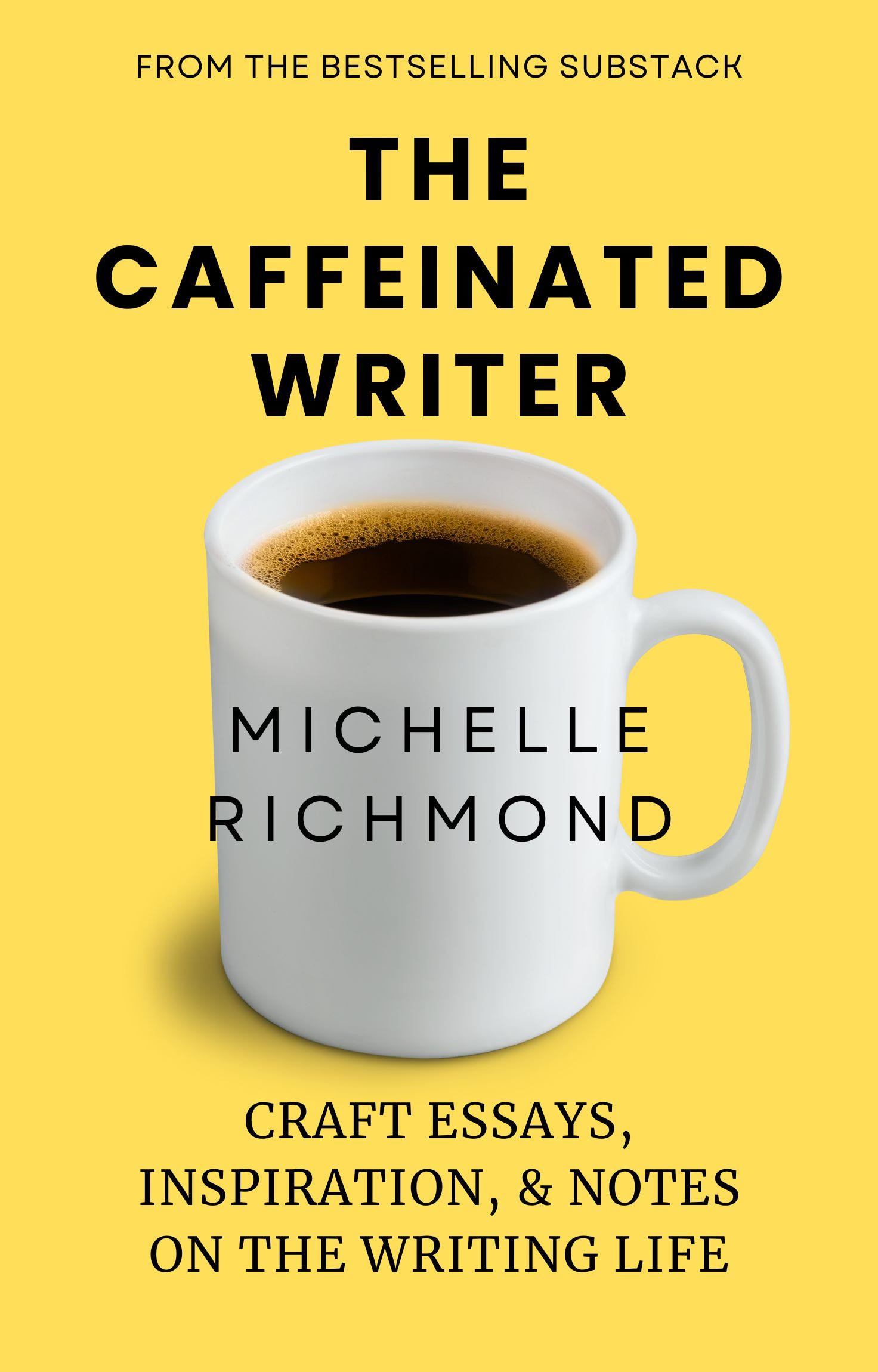
Did you enjoy this post? Annual paid subscribers receive a complimentary copy of The Caffeinated Writer book, available for Kindle, Nook, and as a downloadable PDF, featuring my most popular posts on the craft of fiction, publishing, and the writing life. Upgrade now to get your copy.
Please share your favorite books for writers in the comments.
Are you an aspiring novelist? Join me for Foundations of Novel Writing, a practical, inspiring 8-week course to help you get your novel off the ground. Sign up now.
I don’t see a good resource for editing. I love Susan Bell’s The Artful Edit: The Practice of Editing Yourself. She is a beautiful writer and a brilliant, incisive editor.
This is so Good! I Love books for writers in method and how to improve your creative practice. Thanks for sharing!